
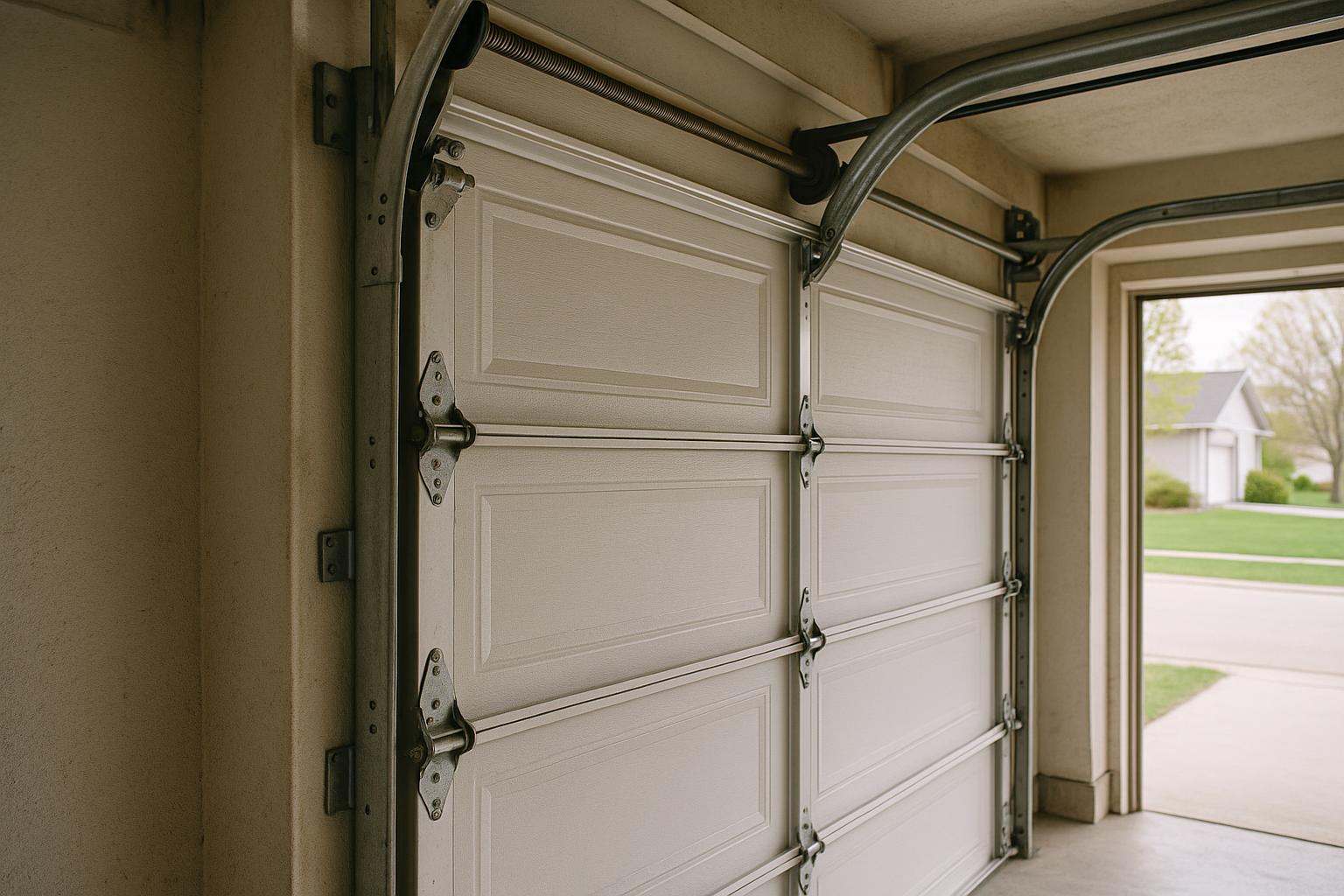
That Noise Isn't Normal — Here's What Your Garage Door Is Trying to Tell You
You press the button on your garage door opener, and instead of a smooth, quiet operation, you're greeted with grinding, squealing, rattling, or banging. If your garage door has started making strange noises, you're not alone. It's one of the most common concerns we hear from homeowners across Berwyn, and the good news is that most causes are identifiable and fixable.
A noisy garage door isn't just an annoyance — it's often an early warning sign that something needs attention. Ignoring it can lead to more expensive repairs or even a complete door failure. In this guide, we'll walk through the most common garage door noises, what causes them, and what you can do about each one.
Grinding Noises: Metal on Metal
A grinding sound is one of the most unsettling noises a garage door can make. It usually indicates that metal components are rubbing against each other without proper lubrication, or that a part has shifted out of alignment.
Common Causes
- Dry or worn rollers: Metal rollers that haven't been lubricated in a while will grind against the tracks. Nylon rollers are quieter and last longer, but even they wear out eventually.
- Misaligned tracks: If the vertical or horizontal tracks have shifted, the door can scrape and grind as it moves. This can happen over time from regular use or after an impact.
- Opener gear issues: If the grinding seems to come from the motor unit itself, the internal gears in your garage door opener may be stripped or wearing down.
What to Do
Start by applying a garage-door-specific lubricant to the rollers, hinges, and tracks. If the noise persists, the tracks may need realignment or the opener gears may need replacement — both jobs best handled by a professional.
Squealing or Screeching: High-Pitched and Hard to Ignore
A high-pitched squeal every time your door opens or closes is enough to make the whole neighborhood take notice. This is especially common during colder months here in Berwyn, when metal contracts and lubricant thickens.
Common Causes
- Lack of lubrication: The torsion springs, hinges, and bearing plates all need periodic lubrication to operate smoothly.
- Worn-out rollers: Old steel rollers are notorious for squealing. Upgrading to nylon rollers can make a dramatic difference in noise level.
- Tension issues: If the cables or springs are under uneven tension, the door may squeal as it struggles to move evenly along the tracks.
What to Do
A thorough lubrication of all moving parts often solves the problem. Use a silicone-based or lithium-based lubricant — never WD-40, which is a solvent, not a long-term lubricant. If squealing continues after lubrication, have a technician inspect the springs and cables for tension problems.
Rattling or Vibrating: Loose and Getting Looser
A rattling garage door sounds like something is loose — because something probably is. Over years of daily use, nuts, bolts, and screws naturally loosen from the constant vibration of the door cycling up and down.
Common Causes
- Loose hardware: Hinges, brackets, and track fasteners can all work themselves loose over time.
- Loose opener chain or belt: If your opener uses a chain drive, a loose chain will slap and rattle during operation. Belt-drive openers can also develop slack.
- Unsecured panels or weatherstripping: Older doors may have panels that have loosened or weatherstripping that flaps during movement.
What to Do
Grab a socket wrench and carefully tighten all visible nuts and bolts on the door and track hardware. Check the chain tension on your opener according to the manufacturer's instructions. If you're unsure about adjusting the opener, a quick maintenance visit can take care of it safely.
Banging or Popping: Sudden and Startling
A loud bang or pop when the door starts moving is jarring and can be a sign of a more serious issue. Many homeowners in Berwyn and neighboring communities like Cicero and Brookfield have called us in a panic after hearing this sound.
Common Causes
- Torsion spring issues: A popping sound at the start of the cycle can indicate that the torsion springs are struggling under improper tension or are beginning to fail.
- Panels flexing: If the door panels are warped or damaged, they may pop or bang as they flex during movement.
- Track obstructions: Small debris in the tracks can cause the rollers to jump, creating a banging sound.
What to Do
Inspect the tracks for any visible debris and clean them out. However, if the sound is coming from the springs or the door panels themselves, do not attempt a DIY repair. Torsion springs are under extreme tension and can cause serious injury. Call a qualified garage door technician to diagnose and fix the issue.
Humming or Buzzing: The Motor Runs But Nothing Happens
If you hear your garage door opener humming or buzzing but the door doesn't move, the motor is engaging but can't drive the door open.
Common Causes
- Stripped opener gears: The plastic or nylon gears inside many residential openers wear out over time, especially on heavier doors.
- Disconnected trolley: The trolley that connects the opener arm to the door may have been accidentally disengaged, often by pulling the emergency release cord.
- Locked door: Some garage doors have a manual lock on the inside. If it's engaged, the opener will strain against it without moving the door.
What to Do
First, check that the manual lock isn't engaged and that the emergency release hasn't been pulled. If both are fine and the motor still hums without moving the door, the internal gears likely need replacement. This is a straightforward repair for a professional and much cheaper than replacing the entire opener.
When to Call a Professional
Some garage door noises can be resolved with basic maintenance like lubrication and tightening hardware. But many noises point to issues that require professional tools, parts, and expertise. Here's a general rule of thumb:
- DIY-friendly: Lubricating moving parts, tightening loose bolts, cleaning tracks, reconnecting the emergency release trolley.
- Call a pro: Spring adjustments or replacement, track realignment, opener gear replacement, cable repair, panel replacement.
If you're a homeowner in Berwyn, Riverside, North Riverside, or Lyons and you're dealing with a garage door that just doesn't sound right, don't wait until a minor noise turns into a major breakdown.
Preventive Maintenance Keeps Things Quiet
The best way to avoid noisy garage door surprises is with regular maintenance. At Berwyn Garage Door, we recommend scheduling a professional tune-up at least once a year. During a maintenance visit, a technician will lubricate all moving parts, tighten hardware, inspect springs and cables, test the balance of the door, and check the opener for signs of wear.
Routine maintenance not only keeps your garage door quiet — it extends the life of every component and helps you avoid costly emergency repairs. It's a small investment that pays off every time you open your garage door without hearing a single unwanted sound.
Get Your Garage Door Running Quietly Again
Strange noises from your garage door are more than just a nuisance. They're signals that something needs attention. Whether it's a simple lubrication issue or a worn-out component that needs replacing, addressing the problem early saves you time, money, and stress.
If your garage door is making noises you can't explain, reach out to Berwyn Garage Door. We serve homeowners throughout Berwyn and the surrounding communities with honest assessments, fair pricing, and fast service. Let us help you get back to the quiet, smooth operation your garage door was designed for.