
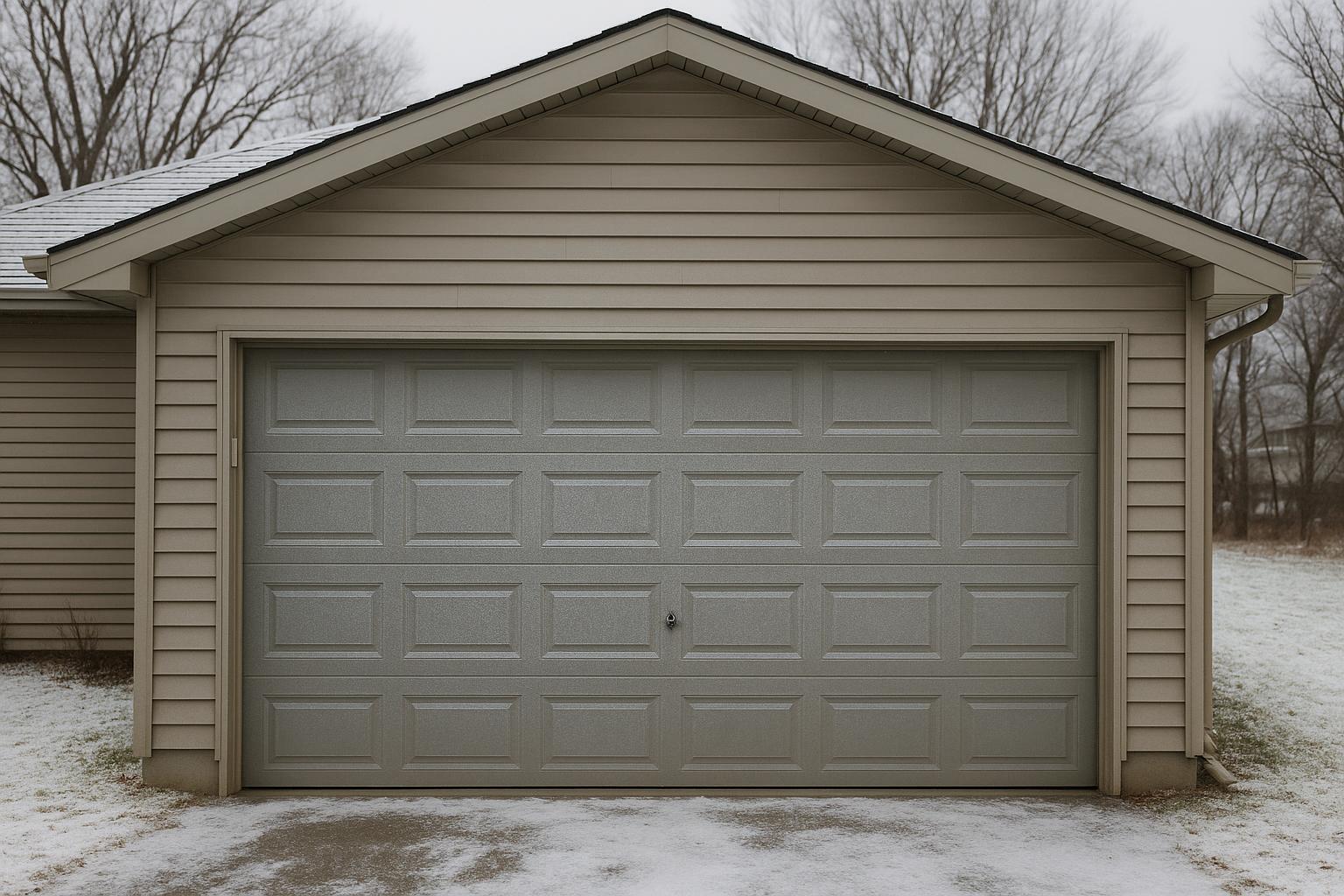
Your Garage Door vs. Berwyn Weather
Living in Berwyn means experiencing the full spectrum of Midwest weather — bitter cold winters, hot and humid summers, and dramatic temperature swings in between. While most homeowners think about protecting their roofs, windows, and siding from the elements, the garage door often gets overlooked. Yet it's one of the largest openings in your home and one of the most mechanically complex systems exposed to the outdoors every single day.
Understanding how seasonal weather affects your garage door can help you prevent breakdowns, extend the life of your equipment, and avoid costly emergency repairs. Here's what every Berwyn homeowner should know.
Winter: Cold Temperatures and Frozen Components
Berwyn winters are no joke. When temperatures drop below freezing — and they regularly do from December through February — your garage door faces several challenges.
Metal Contracts in the Cold
Garage door springs, tracks, and hardware are made of metal, and metal contracts when it gets cold. This contraction can cause springs to become more brittle and prone to snapping. It also means that tracks can shift slightly, leading to misalignment issues that make your door stick, jerk, or refuse to close properly.
Lubricant Thickens and Fails
The lubricant on your springs, rollers, and hinges can thicken or even harden in extreme cold. When this happens, your garage door opener has to work much harder to move the door, which puts extra strain on the motor and can shorten its lifespan. If your door seems sluggish on cold mornings, this is likely the reason.
Weatherstripping Cracks and Shrinks
The rubber weatherstripping along the bottom and sides of your garage door is designed to seal out drafts, moisture, and pests. Freezing temperatures cause this material to become rigid and crack over time. Once the seal is compromised, cold air pours into your garage, ice can form along the threshold, and your energy bills may increase.
Frozen Door Seals
After rain, sleet, or melting snow, water can pool at the base of your garage door and freeze overnight. This can literally freeze your door to the ground. Forcing the door open in this situation can damage the weatherstripping, the bottom panel, or even the opener mechanism. Instead, try carefully chipping away the ice or using a heat source to melt it before operating the door.
Spring and Fall: Temperature Swings and Moisture
The transitional seasons in Berwyn bring their own set of problems. Daily temperature swings of 30 degrees or more are common in March, April, October, and November. These fluctuations cause repeated expansion and contraction of metal components, accelerating wear and fatigue — especially on torsion springs that are already under tremendous tension.
Condensation and Rust
When warm, moist air meets the cold metal surfaces of your garage door and hardware, condensation forms. Over time, this moisture leads to rust on springs, tracks, hinges, and even the door panels themselves if they're made of steel. Rust weakens metal components and can cause them to fail prematurely. Regular inspection and a light coat of protective lubricant can help prevent this.
Rain and Water Intrusion
Spring storms in the Berwyn area can bring heavy rain, and if your garage door's weatherstripping is worn or the concrete apron in front of your garage has settled, water can seep in under the door. Persistent moisture in your garage can damage stored belongings, promote mold growth, and corrode the bottom of your door panels.
Summer: Heat, Humidity, and UV Exposure
While summer might seem like the easiest season for your garage door, it brings its own challenges.
Wooden Doors Expand and Warp
If you have a wooden garage door, the heat and humidity of a Berwyn summer can cause the wood to swell, warp, or stick in the frame. This makes the door harder to open and close and puts extra strain on your opener. Wooden doors require regular sealing and painting to protect them from moisture absorption.
UV Damage and Fading
Prolonged sun exposure fades the finish on your garage door, especially if it faces south or west. While this is primarily a cosmetic issue, a deteriorating finish on a steel or wooden door can also expose the underlying material to moisture, leading to rust or rot over time.
Opener Overheating
If your garage isn't well-ventilated, summer heat can cause your garage door opener motor to overheat, especially if it's an older model. An overheating opener may shut down mid-cycle as a safety precaution, leaving your door stuck halfway open. Ensuring adequate ventilation in your garage and keeping the opener unit free of dust and debris can help prevent this.
How to Protect Your Garage Door Year-Round
The good news is that most weather-related garage door problems are preventable with regular maintenance. Here are some practical steps Berwyn homeowners can take:
- Schedule seasonal maintenance. Having a professional inspect and tune up your garage door at least once a year — ideally before winter — can catch small issues before they become big problems.
- Keep components lubricated. Use a silicone-based or lithium-based garage door lubricant on springs, rollers, hinges, and tracks. Avoid WD-40, which is a solvent, not a long-term lubricant.
- Replace worn weatherstripping. Check the seals around your garage door at least twice a year and replace them when they show signs of cracking, gaps, or hardening.
- Clear debris from tracks. Leaves, dirt, and ice can accumulate in your door tracks and cause alignment problems. Keep them clean throughout the year.
- Repaint or reseal wooden doors. If you have a wood garage door, maintain the finish to protect against moisture, warping, and rot.
- Test your door's balance. Disconnect the opener and manually lift the door halfway. If it doesn't stay in place, the springs may need adjustment — a job best left to a professional.
When to Call a Professional
While basic maintenance like lubrication and visual inspections are safe for homeowners to handle, some weather-related issues require professional attention. You should call a garage door technician if you notice:
- The door is visibly off-track or crooked
- Springs appear rusted, stretched, or damaged
- The opener is straining, making unusual sounds, or shutting off mid-cycle
- Panels are cracked, warped, or showing significant rust
- The door won't seal properly at the bottom despite new weatherstripping
Attempting to repair springs, cables, or track alignment on your own can be extremely dangerous due to the high tension involved in these components.
Stay Ahead of the Weather
Your garage door works hard every day, and Berwyn's four-season climate makes that job even tougher. By understanding how weather impacts your door and staying on top of preventive maintenance, you can avoid unexpected breakdowns and keep your garage door operating smoothly for years to come.
If your garage door is showing signs of weather-related wear or you'd like to schedule a seasonal tune-up, Berwyn Garage Door is here to help. We serve homeowners throughout Berwyn, Cicero, Riverside, Brookfield, North Riverside, and Lyons with honest pricing and fast, reliable service.